
Building Belonging, One Snack at a Time
Providing opportunity for students & young adults with IDD through Customized Employment, vocational training, educational programs, and building inclusive community in the heart of everyday life

Our Story & Mission:
*
Our Story & Mission: *
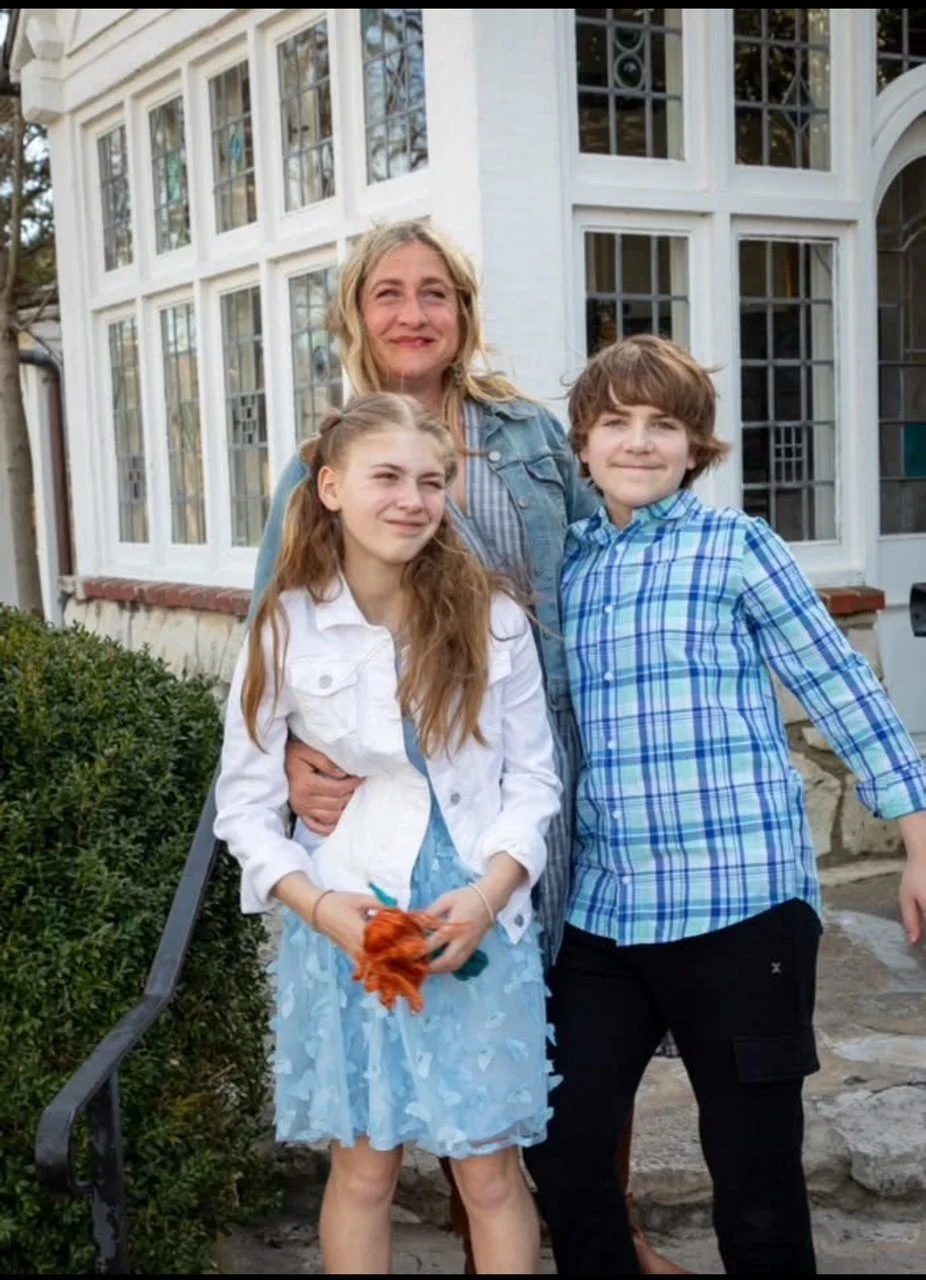
My name is Rebecca, and my daughter, Selah, is entering high school. She’s bright, joyful, and full of potential — but like so many young people with intellectual and developmental disabilities (IDD), her future is bleak and uncertain.
The majority of adults with IDD are unemployed, and as many as 90% experience social isolation. According to Sense, almost two-thirds (61%) of disabled people are chronically lonely, rising to 7 in 10 (70%) of young disabled people. Too many live in poverty — not because they can’t work, but because the world hasn’t built space for them to belong. The American Association on Intellectual & Developmental Disabilities (AAIDD) notes only 14.7% of adults with IDD are employed.
The most heartbreaking reality isn’t unemployment — it’s loneliness. After school ends, friendships fade. Days grow quiet. Opportunities vanish.
Last summer, Selah found comfort walking to our local coffee shop, where a friendly barista remembered her name. Those moments of being known filled a deep emotional need — and sparked an idea:
What if we could create a space where individuals with disabilities could build confidence, skills, and connection, starting at a young age— not hidden away, but in the heart of the community?
That idea became Selah’s Snack Cart: a place of joy, work, and belonging.


THE PROBLEM
Isolation is Epidemic.
Up to 80% of adults with IDD rely solely on parents or paid staff for social contact.
After high school, community participation drops by more than 60% (University of Minnesota’s National Core Indicators)
Poverty is the norm, not the exception.
1 in 4 adults with disabilities lives in poverty.
According to Kaiser Family Foundation (KFF)one in four working age adults with a disability have incomes below the poverty line. People with IDD face even higher poverty rates due to low employment opportunities and support needs.
Many live on SSI payments averaging under $1,000 per month. If they make a living wage, they lose needed benefits.
Many never even get the chance to work.
Due to lack of support, transportation, or inability to function in typical environments without supports- two-thirds of disabled adults are not in the labor force at all.
Enter customized employment- workplaces designed to allow people with disabilities to work with maximum freedom, granting the INDEPENDENCE, PRIDE, and PURPOSE that all of us yearn for.
THE SOLUTION
What Is C.I.E.? What Is Customized Employment?
Customized Employment allows people with IDD to contribute meaningfully when they can’t fit into traditional employment models. For someone like Selah, a standard job like bagging at Schnucks isn’t feasible. The last best options are Sheltered Workshops—government funded warehouse packaging work in segregated environments with sub-minimum wages-for as little as $1/hour in STL County.
Our solution: customized employment-jobs with tailored work & curated physical environments that allow people to work with autonomy. Even three hours a week can be life-changing. As the owners, we will offer the freedom and flexibility other models can’t. Our snack menu will be no fry, no grill, no bake.
This is C.I.E.—Competitive, Integrated Employment—in action. It’s the modern disability standard, a meaningful alternative to the workshops. Local models include Pioneer Bakery and Sammysoap in Kirkwood.
“This is C.I.E.—Competitive, Integrated Employment—in action. It’s the modern disability standard, a meaningful alternative to the workshops.”